Revitalizing Hoverla: Restoration of a Ukrainian Landmark
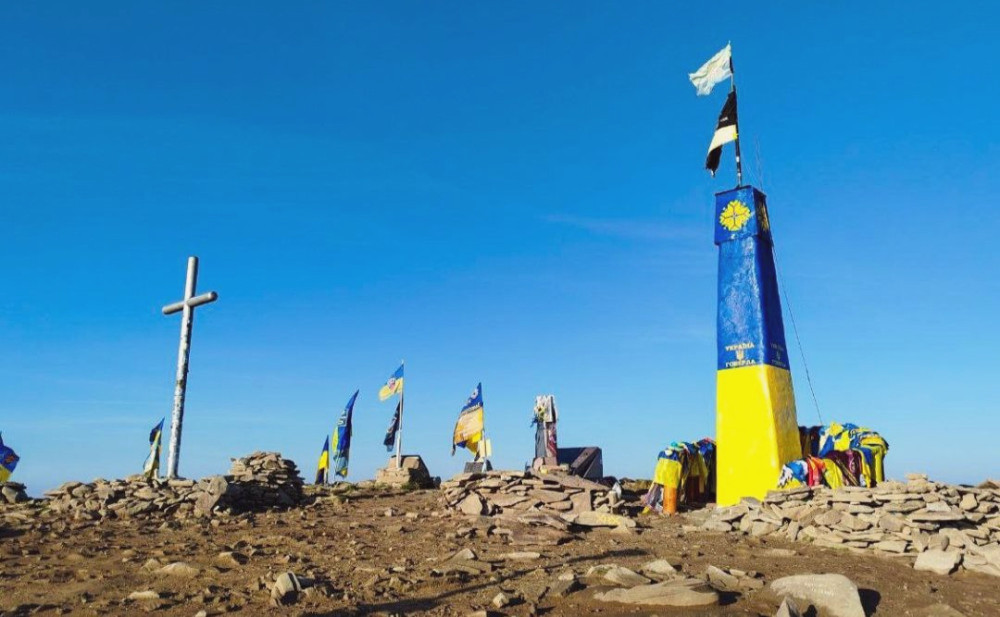
Starting from August 3rd, work commenced on the highest point in Ukraine — Hoverla, despite interruptions due to logistics and weather conditions.
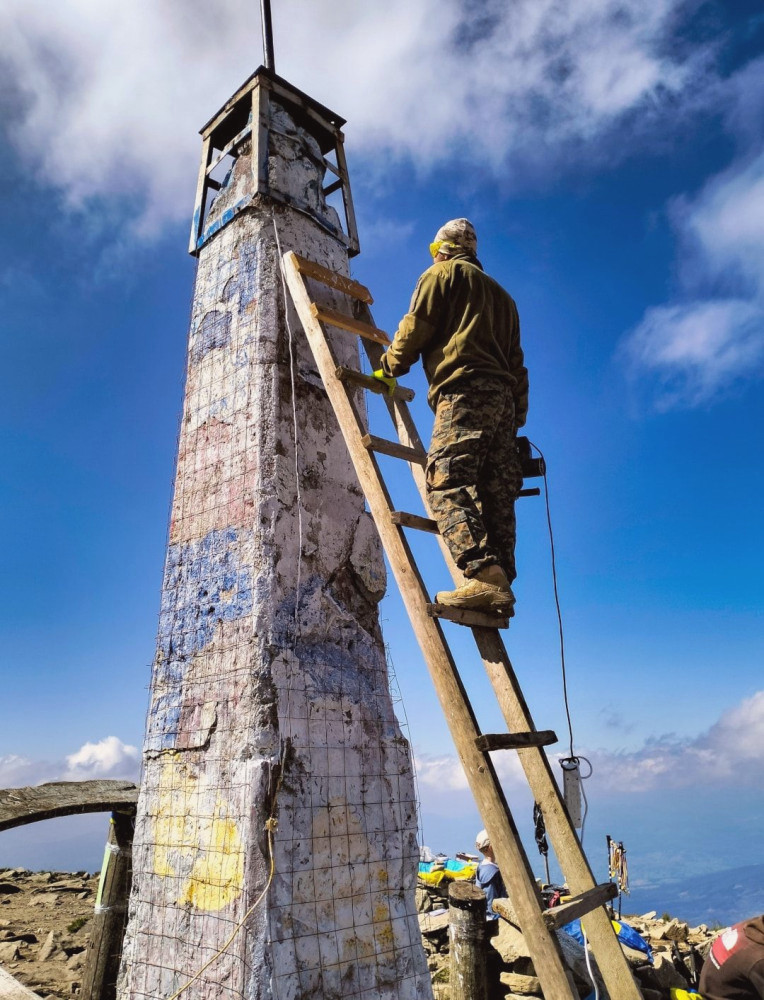
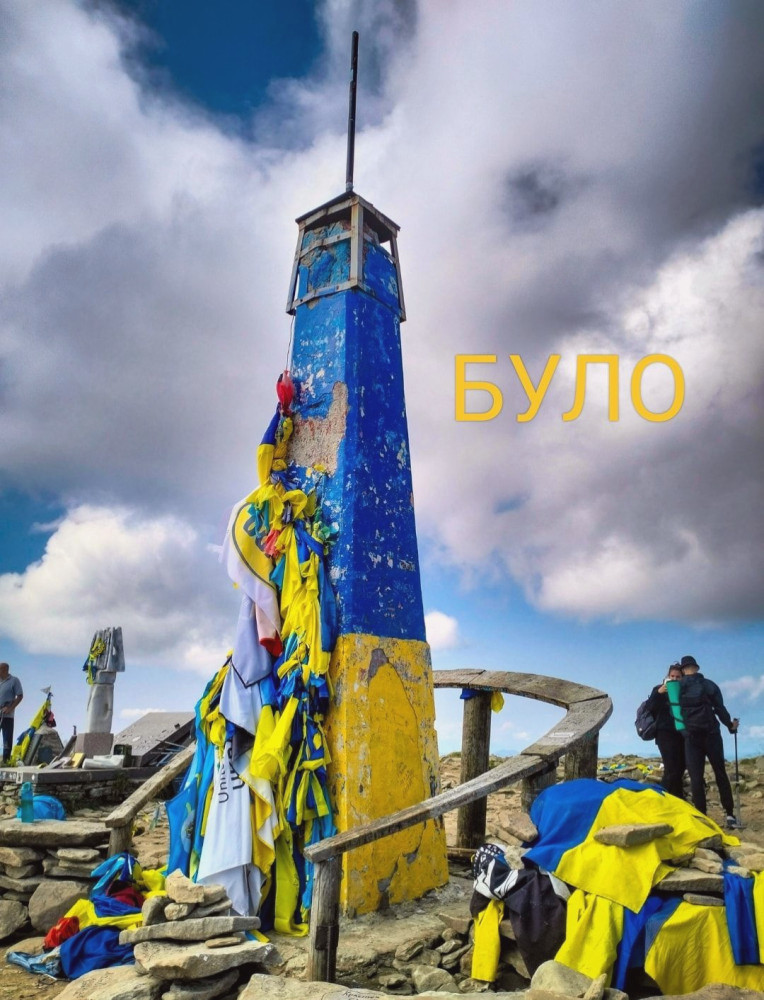
The monument, battered by winds and rain, was in dire need of repair.
Every year, numerous tourists flock to this iconic site, highlighting its popularity.
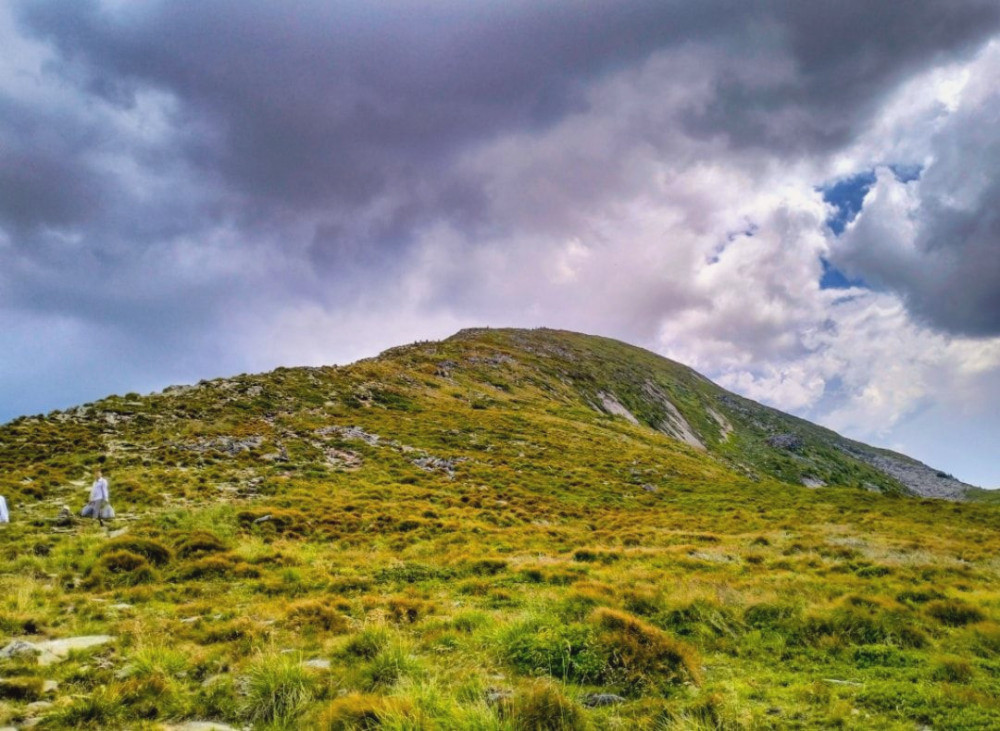
Hoverla is the tallest peak in the Carpathians and throughout Ukraine, standing at 2061 meters. This mountain is approximately 25 million years old.
Since August 3rd, veterans have begun restoration efforts at the summit.
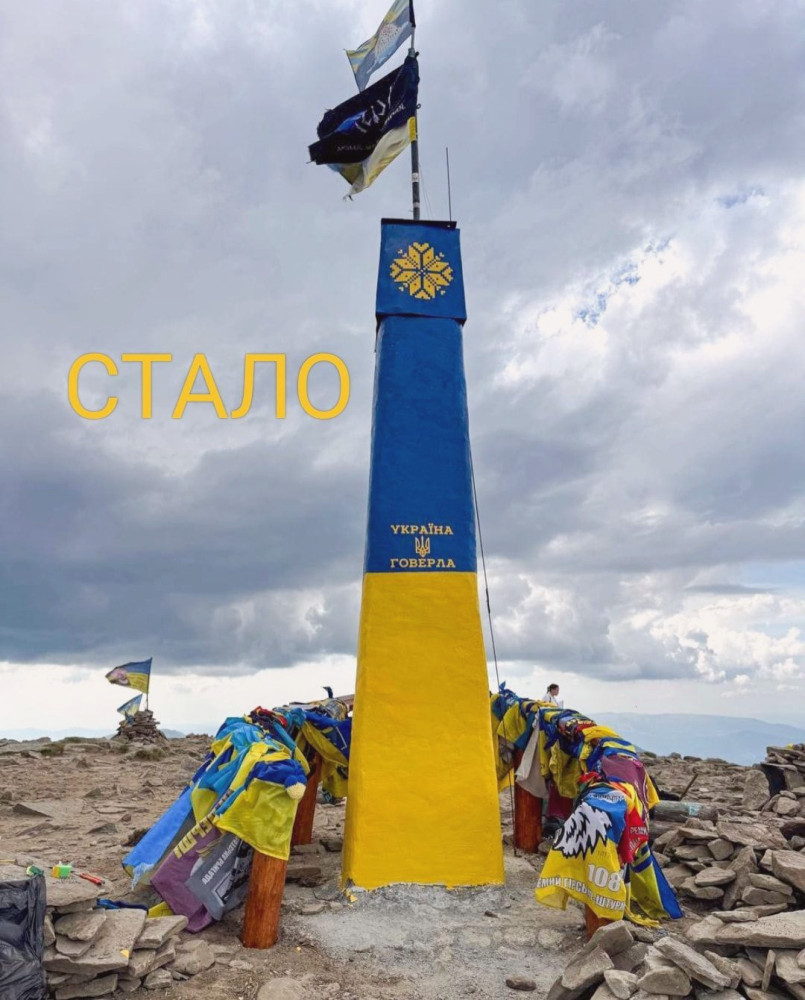
At the top of the monument, the traditional alatyr design was restored, symbolizing protection in Ukrainian embroidery.
A lightning rod was installed to safeguard the structure, grounded one meter deep into the rocky terrain.
Alina Kosovska shared updates on the project through social media.
The old paint was stripped away, and a new alkyd enamel coat was applied.
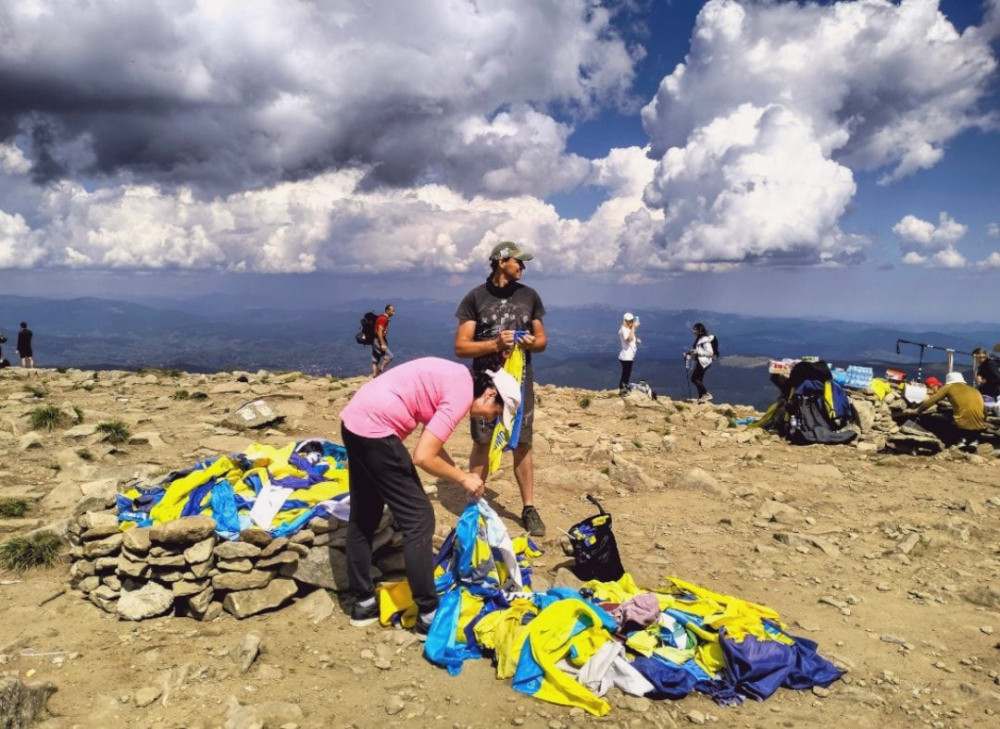
A special hiding place for flags was created at the summit. All flags will remain on Hoverla after the restoration, noted Kosovska.
Ukrainian Armed Forces veterans, as part of the «Veteran Camp under Hoverla», took on the majority of the workload, alongside volunteers and rescuers. The project lasted 35 days.
«Geodetic services requested us to preserve the triangulation mark at the summit, so we opted not to cover this section with concrete, but rather protect it with metal, allowing access for researchers,» stated Alina Kosovska.
Electricity for the project was supplied by solar panels and Ecoflow. When sunlight was scarce, participants carried heavy batteries to the generator located 2 km from the camp.
«Funding was made possible through donations from the tourist community, contributions from our friends abroad, and charity events,» explained Kosovska.
Materials for the project were transported on foot for a distance of 3 km, gaining an elevation of 500 meters. Approximately 150 kg of cement and half a ton of sand were delivered.
«A memorable experience was the transportation of a wooden structure for the arch around the monument, made from spruce trunks,» Kosovska shared.
Throughout the project, 24 individuals were consistently involved, working in shifts, with additional help from tourists and guides.