New Specialized Equipment for Railway Workers from Ukrzaliznytsia
Ukrzaliznytsia has expanded its fleet with a new batch of specialized equipment produced in Ukraine for railway workers. This was reported by Oleksiy Kubela, the Deputy Prime Minister for the Restoration of Ukraine, on his Telegram channel.
This event is part of the modernization program initiated by the government in collaboration with the railway team.
“For almost five years, there have been no purchases of machinery for minor mechanization, but this summer we launched a centralized three-year infrastructure renewal program. The results are already visible in terms of improved equipment quality and procurement prices, with production units seeing early results,” noted Kubela.
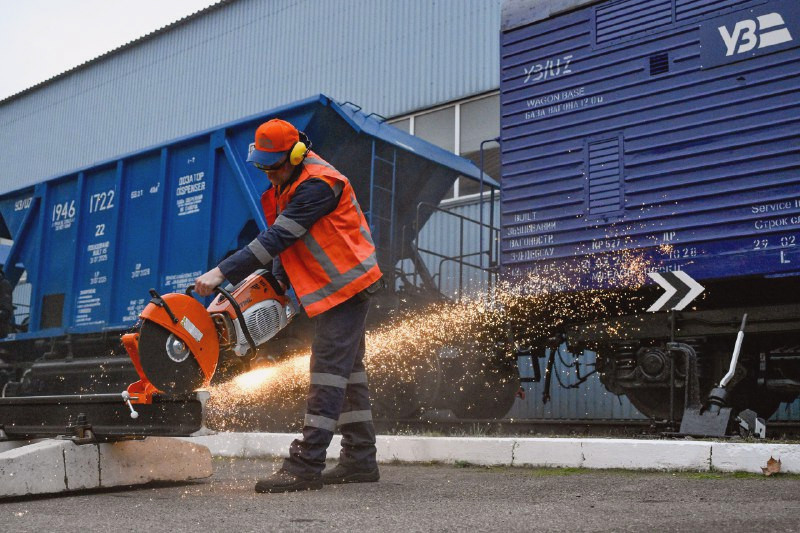
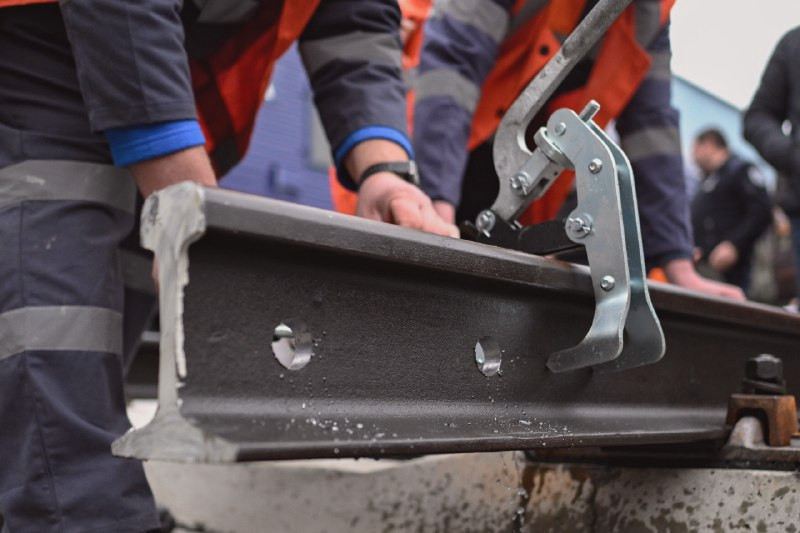
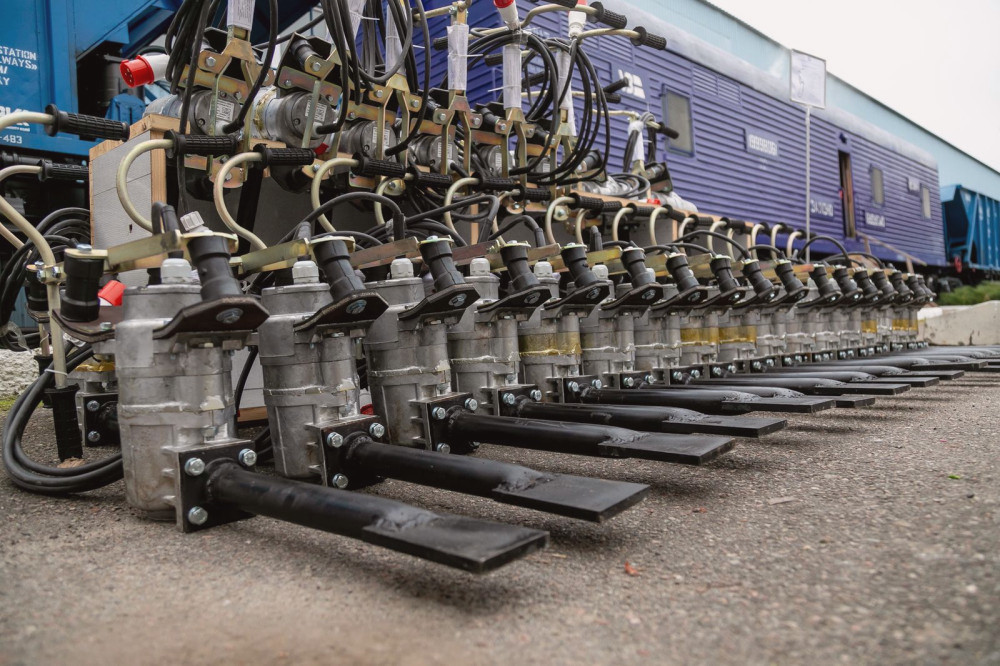
Railway workers have already received over a thousand units of new mechanization equipment: rail cutters, drilling machines, electric tie tampers, and other tools, primarily produced in Ukraine, including from Kharkiv and Dnipro.
According to the Deputy Prime Minister, this equipment reduces physical strain and allows for faster and safer work.
Additionally, 20 new hopper feeders manufactured at Ukrzaliznytsia's own facilities have been delivered. By the end of the year, another 30 will be received. Previously, such wagons were only produced in Russia, but now production is established in Ukraine. This fleet renewal accelerates track restoration and major repairs.
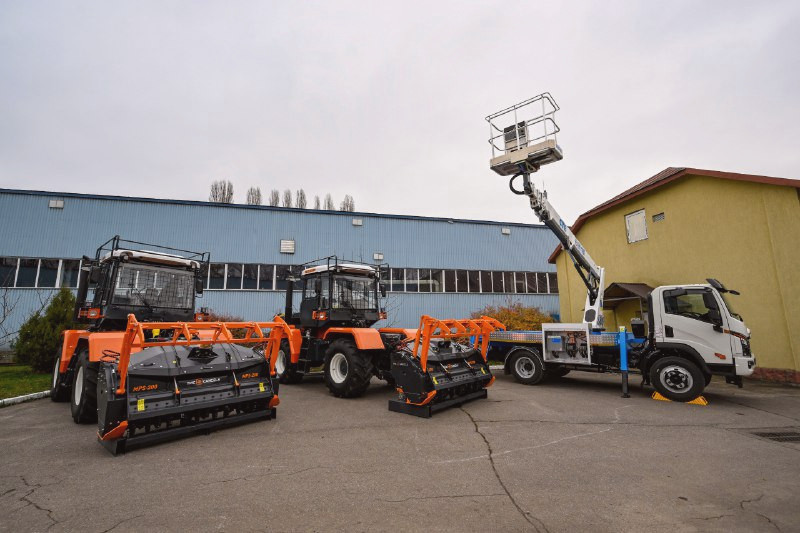
The energy workers of Ukrzaliznytsia received a new telescopic lift truck to quickly restore high-voltage overhead lines after shelling. Tractors for clearing the right-of-way have also been purchased, enhancing work efficiency and safety. All equipment is locally produced.
By the end of 2025, Ukrzaliznytsia plans to supply over 1,800 units of minor mechanization equipment. In 2026-2028, the procurement of more than 9,500 additional units is planned, forming an updated base for the railway sector across the network.
The Deputy Prime Minister expressed gratitude to the railway workers who keep the country moving daily: fitters, foremen, drivers, repairmen, locksmiths, and electricians. Their work is the foundation of the transport system's resilience during wartime.
“I have personally witnessed the challenging conditions under which they operate, how much work is done manually. Hence, our important task is to provide them with the tools that enable safer, more efficient, and quicker work. We will continue to accelerate our efforts despite all difficulties,” concluded Kubela.