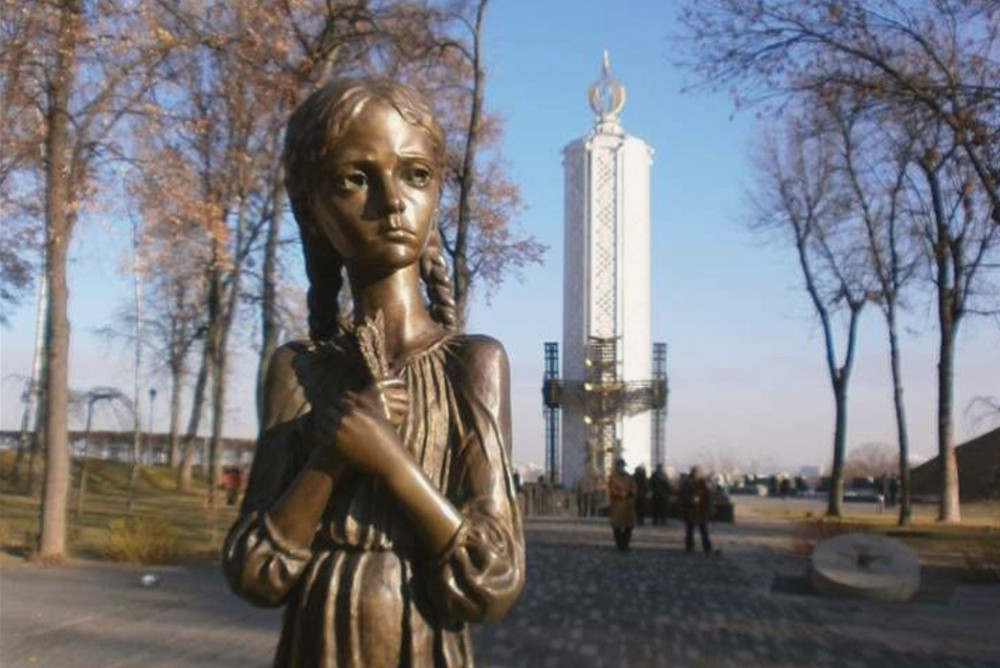
Commemoration of Holodomor Victims in Ukraine
On Saturday, November 22, Ukraine commemorates the victims of the Holodomors.
This day of remembrance is observed annually on the fourth Saturday of November based on presidential decrees from 1998 and 2007.
In the 20th century, Ukrainians faced three Holodomors: 1921-1923, 1932-1933, and the famine of 1946-1947. The most devastating was the famine of 1932-1933, regarded as a genocide against the Ukrainian people orchestrated by the Stalinist regime.
Prior to the Holodomor, violent collectivization of agriculture and mass terror in rural areas took place. The famine, lasting 22 months, was a calculated policy of the Stalinist government aimed at dismantling independent peasant farms.
Peasants became victims of the total repression that affected not only intellectuals but also ordinary citizens.
Notably, on November 18, 1932, a decree was issued that imposed penalties for failing to meet grain procurement quotas, leading to widespread confiscation of food supplies.
The terror of famine became a well-planned operation aimed at destroying the Ukrainian peasantry. Farmers were left without food, resorting to various substitutes for sustenance.
Official data indicates that approximately 4 million lives were lost due to the Holodomor.
For decades, this topic was taboo, and research only began in the late 1980s.
According to legislation passed in 2006, the famine of 1932-1933 is recognized as an act of genocide against the Ukrainian people.
Today, over 90 years later, Russia continues attempts to erase Ukrainian identity.
On this day, Ukrainians light candles in memory of the dead and observe a moment of silence.