A New Approach to Inclusivity in Ukraine
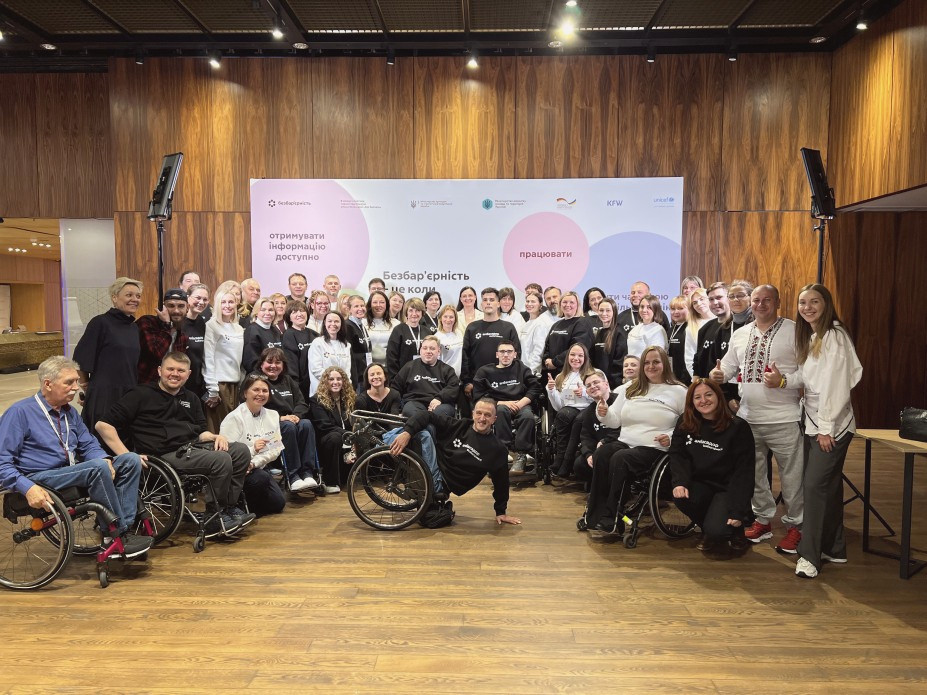
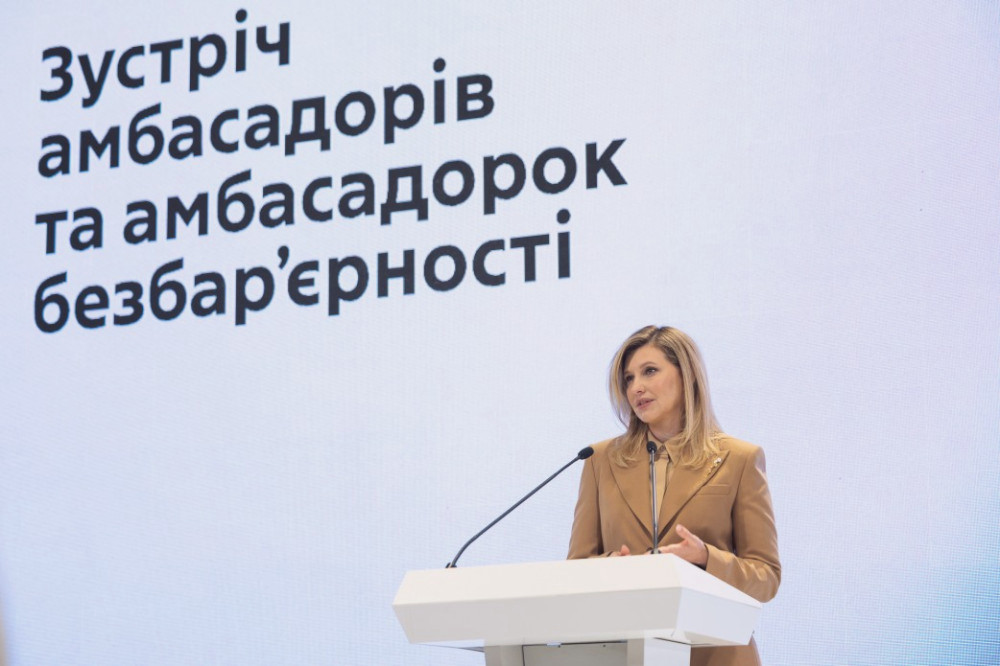
Olena Zelenska, first lady of Ukraine, participated in a significant meeting with ambassadors of inclusivity, gathering over 70 representatives from various sectors.
“Five years ago, when we began discussing inclusivity, most Ukrainians thought it was only about physical barriers like ramps. We have spent years explaining that inclusivity encompasses not just physical aspects but also social, economic, educational, digital, and informational dimensions. These six areas have become the foundation of our government’s inclusivity strategy,” emphasized Olena Zelenska.
According to her, a program for barrier-free routes in cities has begun, and collaboration with major employers continues under the initiative “Business Without Barriers.” The interactive “Inclusivity Guide” serves as a practical tool to help understand inclusivity principles and learn respectful communication with diverse groups.
“Today’s meeting is part of the nationwide campaign ‘Inclusivity Means You Can.’ This title resonates with me because it symbolizes opportunities for everyone. Inclusivity should feel personal, addressing individual needs,” noted the first lady.
As part of the initiative, ambassadors of inclusivity were appointed to represent flagship projects of ministries and other government bodies to strengthen inter-agency cooperation.
Participants engaged in a training session on the fundamentals of inclusivity from the NGO “Inclusivity” and collaboratively developed individual project implementation plans for their communities. These actionable steps aim to enhance community accessibility before the year’s end, including monitoring public spaces and businesses for physical accessibility and creating maps of accessible locations.
Social and civic inclusivity involves advocating for the establishment of inclusivity councils and training professionals working with veterans and individuals with disabilities.
In the realm of educational inclusivity, efforts are planned to engage educators, parents, and students to inform individuals with disabilities about their rights in the education sector.
Furthermore, in the area of informational inclusivity, ambassadors plan to conduct audits to assess the accessibility of information.