New Biometric Entry Control System in the EU
Starting October 12, the European Union is launching a new biometric entry control system (EES) at the external borders of EU and Schengen countries. This change will affect citizens of third countries, including Ukraine, as reminded by the State Border Guard Service.
What changes in EU entry rules
The control system will be implemented in phases and will operate at the borders with EU member states - Poland, Slovakia, Hungary, and Romania.
“The EES will apply to all citizens of third countries (including Ukraine) crossing the external borders of the Schengen area for short stays (up to 90 days within a 180-day period),” the State Border Guard Service reported.
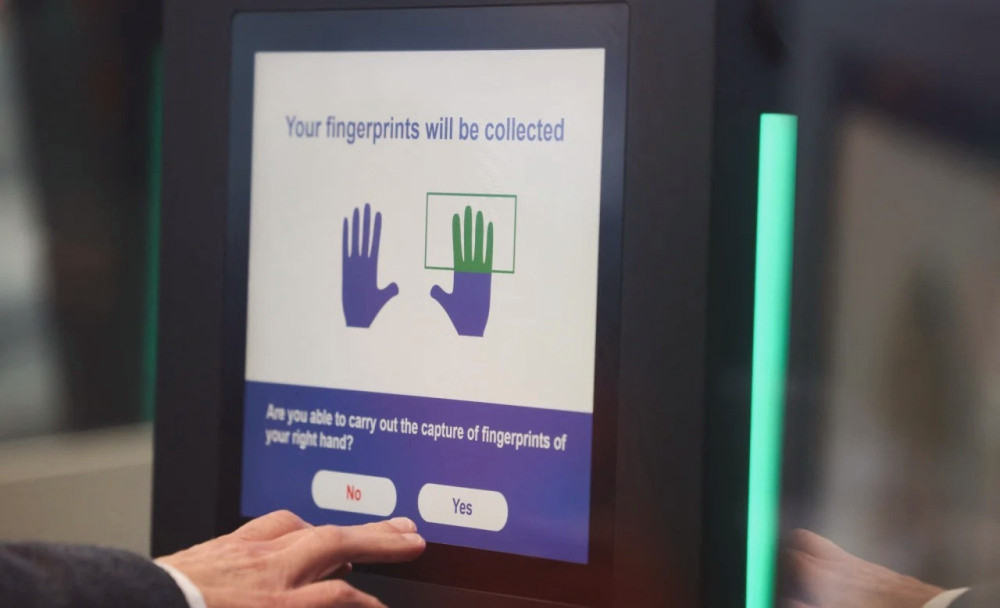
After the EES launch, individuals will have to undergo enhanced registration upon first entry into the Schengen zone. This process will include the collection of biometric data, such as facial images and four fingerprints.
However, subsequent border crossings are expected to be quicker, as biometric data will be matched with existing digital information, and the system will automatically record the date, time, and place of entry/exit.
What is the EES system and how does it work?
What changes will occur in border crossing rules for Ukrainians in 2025.
The EES system is being implemented not only in EU member states but also in countries that are part of the Schengen Agreement, such as Iceland, Liechtenstein, Norway, and Switzerland. Cyprus and Ireland, which are part of the EU, are exceptions and will not join the EES system.
This system will allow the elimination of traditional passport controls with stamps. Instead, the registration of travelers will be automated through self-service terminals similar to those already used at airports for boarding pass checks.
Each time travelers cross the border – in either direction – they will scan their passports or other travel documents. The EES system will record personal data, including biometric parameters, name, and date and place of border crossing. This requires the use of biometric documents for border passage.
The procedure for scanning faces and fingerprints will be conducted once every three years. The collected data will be valid for multiple trips during this period and stored in an electronic database for three years after each journey.