Heightened Tensions: Iran Strikes Israel
On Friday evening, Iran launched a massive missile attack on targets in Israel.
"Powerful explosions can be heard in Israel," reported CNN journalists from the scene.
The Times of Israel reports three fatalities and numerous injuries.
Iran Attacks Israel: Consequences
Throughout the night, Israeli forces warned of multiple attack waves.
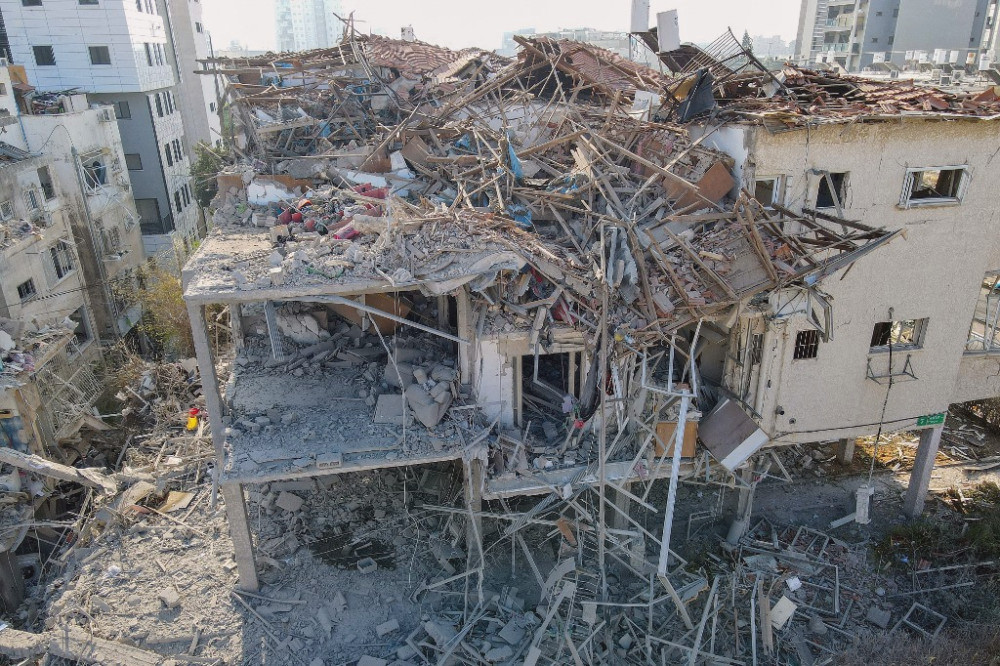
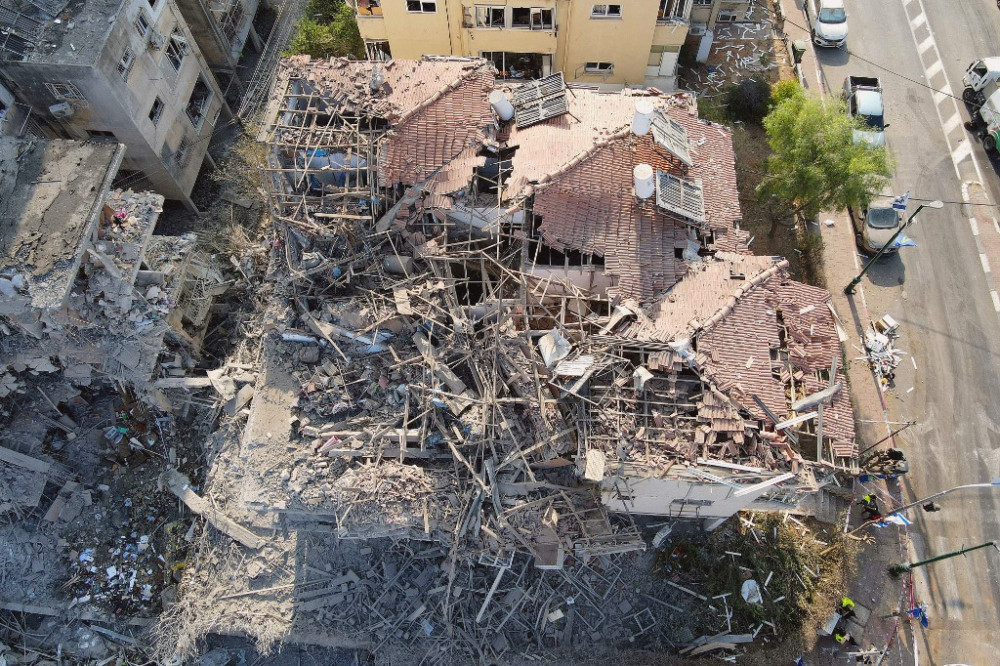
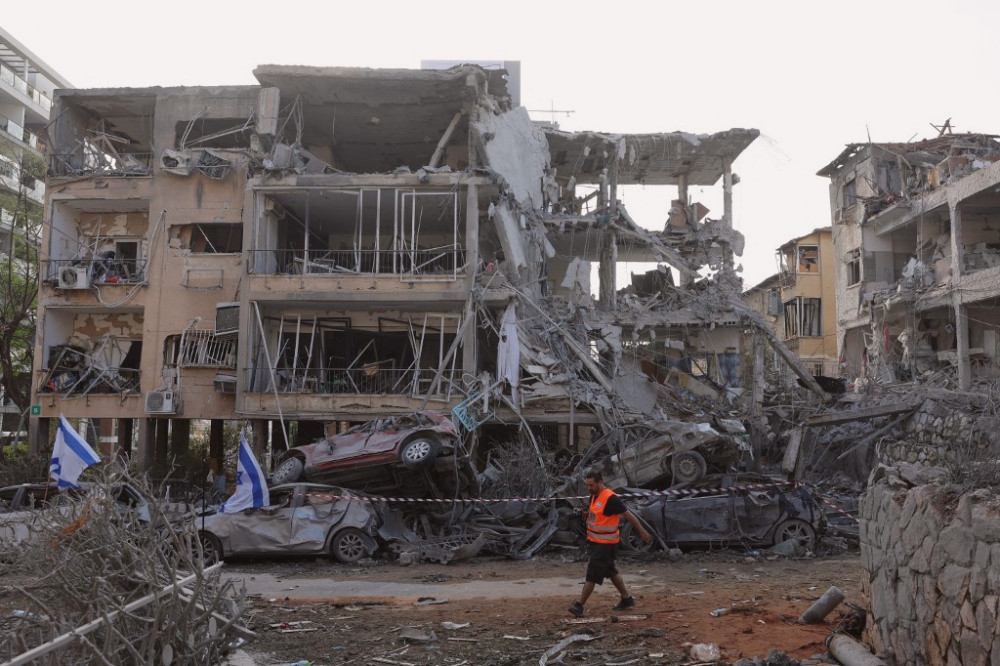
According to the Israeli emergency services, one of the Iranian missiles struck a residential area in Rishon Lezion, south of Tel Aviv.
In Ramat Gan, near Tel Aviv, several buildings were destroyed due to the Iranian strikes.
Tel Aviv was also under fire.
As reported by Fox News, Iran targeted the headquarters of the Israeli Defense Forces.
"This is Israel's equivalent of the Pentagon - 'Kiryat'. A building within this complex has just been hit," noted a journalist during a live broadcast from Tel Aviv, as reported by Ukrinform.
The journalist stated that the attack caused significant destruction.
Despite the active use of Israel’s air defense systems, such as the Iron Dome, David's Sling, Arrow, Patriot, and THAAD, some Iranian missiles still reached their targets.
As a result of approximately 150 missile launches from Iran, nearly an entire neighborhood in the capital of Israel has been "almost completely destroyed," according to media reports.
Clash Report released a video showing one of the Iranian missiles striking a skyscraper in central Tel Aviv.
Israel's Response to Iran: What We Know
On the night of June 13, Israel attacked Iran.
Prime Minister Benjamin Netanyahu announced the start of a large-scale military operation named "Rising Lion" (Am KeLavi).
The Israeli Defense Forces termed it as "preventive strikes" aimed at Iran's nuclear program.
The IDF deployed 200 fighter jets for the operation, attacking over one hundred targets. Explosions were reported around the Iranian uranium enrichment facility in Natanz as well as in the capital, Tehran.
Reports indicate that the attack resulted in the deaths of IRGC commander Hossein Salami, Iranian Armed Forces chief Mohammad Bagheri, several other high-ranking IRGC officers, and nuclear scientists.
Iran labeled this as an "announcement of war" and retaliated by launching over a hundred drones at Israel.
The U.S. claims no involvement in Israel's strikes against Iran. U.S. Secretary of State Marco Rubio emphasized that the Israeli attacks were unilateral, although the U.S. had knowledge of Israel's plans. Rubio stated that the main priority for the U.S. is the protection of American forces in the region.